×
3 simple steps to access

Remember to fill in all the fields

Resources Library > Consulting Pro Toolkit

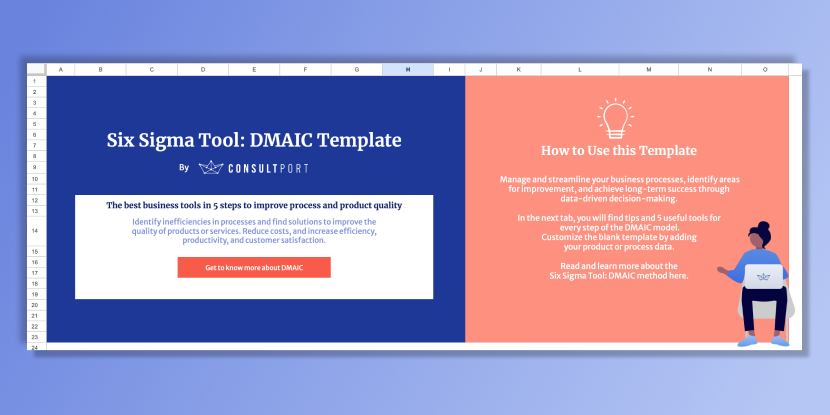
Six Sigma tool: DMAIC Template

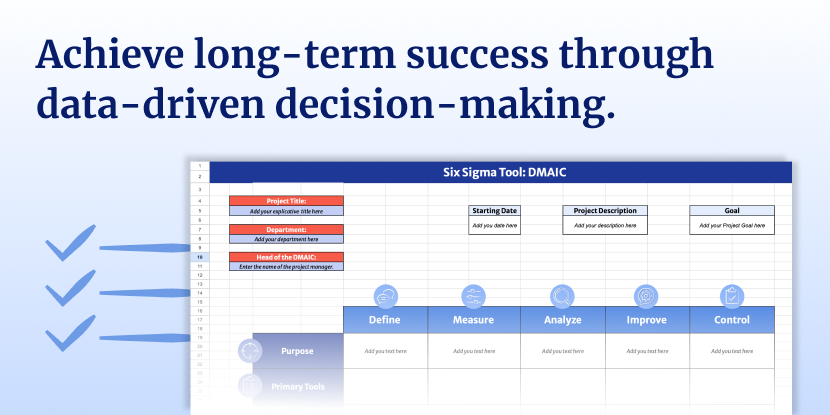
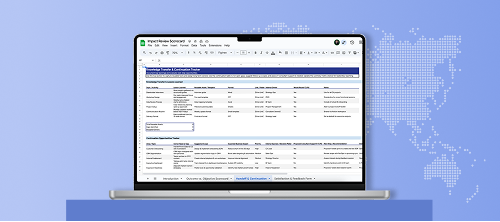
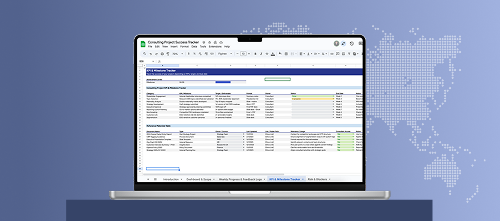
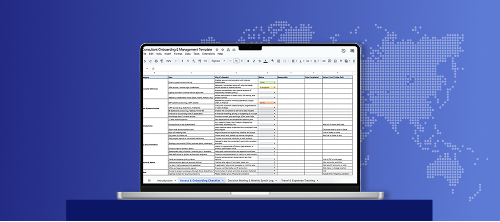
Utilize the DMAIC method to effectively manage and streamline your business processes, identify areas for improvement, and achieve long-term success through data-driven decision-making.
join Join thousands of professionals using this resource
Download Now for Free
resource
Download Now for Free
Trusted by
KKR logo
Babbel logo
RTL logo
Bosh logo
Microsoft logo
Philips logo
Solvay logo
C&A logo
Dr Oetker logo
EQT logo
ZF Group logo
Stihl logo
Dachser logo
LSG Group logo
Continental logo
Why downloading?
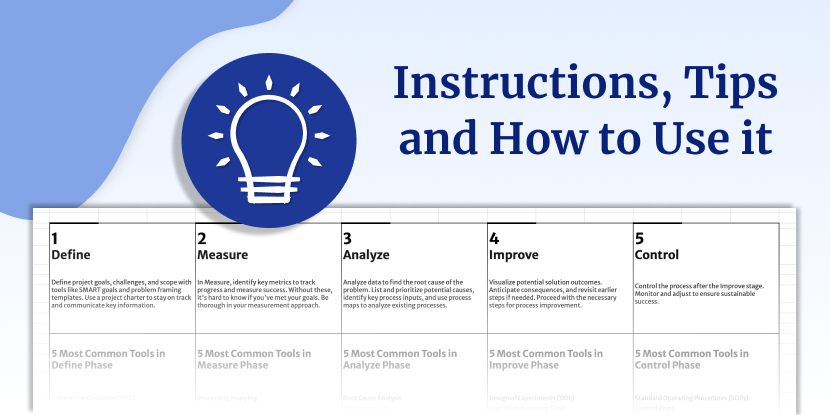
  • 5 recommended tools for each step of the DMAIC.
  • Measure process performance with data for data-driven decisions.
  • Identify root causes of problems.
  • Six Sigma Tool: DMAIC - gallery image 1
  • Six Sigma Tool: DMAIC - gallery image 2
  • Six Sigma Tool: DMAIC - gallery image 3
  • Six Sigma Tool: DMAIC - gallery image 4
What you can use The Six Sigma tool: DMAIC Template for

Stand out and make a difference in the new ultra-competitive markets with this free DMAIC template.

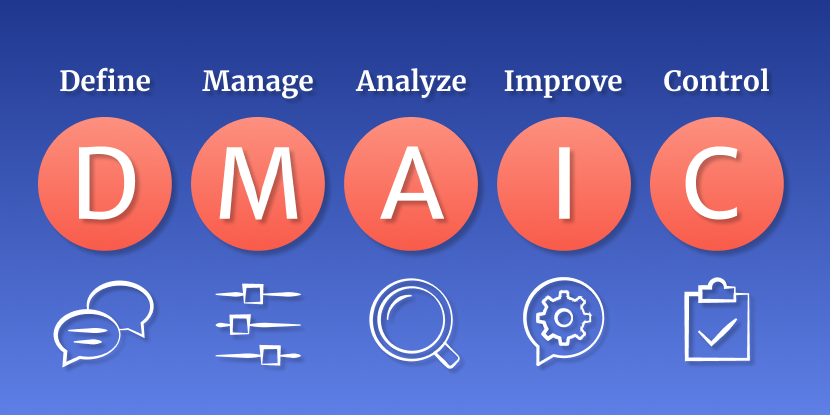
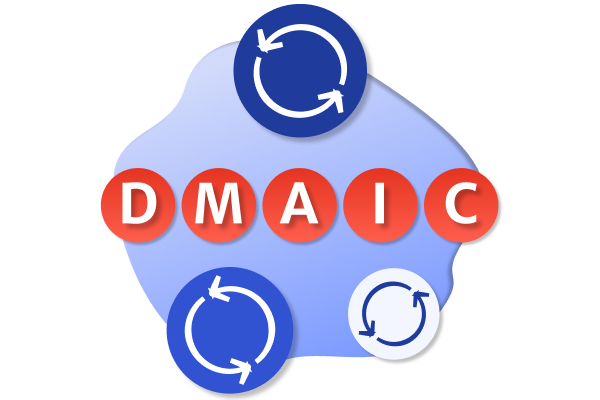
DMAIC, developed by Motorola in the 1980s, is a powerful methodology that serves as a cornerstone of Six Sigma and continuous improvement for business processes.

This five-step model includes defining the problem, measuring the process, analyzing data, improving the process, and controlling the results.

By utilizing the DMAIC model, companies can reap practical benefits, including increased efficiency, cost reduction, higher quality, and enhanced customer satisfaction. Therefore, it is essential for achieving measurable results and long-term success.

Download Now for Free
Designed to Fit your Project Environment

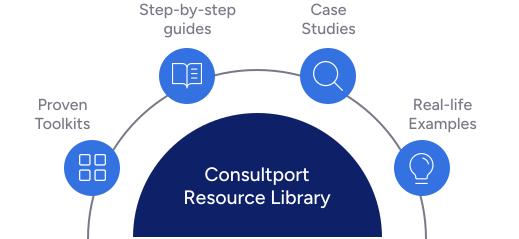
Our guides and templates are built to be practical, flexible, and easy to implement. Each resource includes real-world frameworks, best practices, and use cases that you can apply immediately.

Tailored for fast-moving project teams and decision-makers, these guides help you structure and lead initiatives with clarity and confidence.

project environment
top-tier consultants top-tier consultants
Inspired by Independent
Top-Tier Consultants

These resources are inspired from seasoned freelance consultants from the Consultport network.

Designed to help internal teams and freelance experts work seamlessly together, our tools bring top-tier consulting standards to your business, without starting from scratch.

FAQ
How can we ensure that the data we gather in the Measure phase is precise and trustworthy?
To ensure accuracy and reliability of data collected during the Measure phase, appropriate measurement tools and techniques should be used. Clear measurement criteria should also be established, and data should be collected consistently and reliably.
How can we effectively identify the root cause(s) of a problem during the Analyze phase?
During the Analyze phase, several techniques can be used to identify the root cause(s) of a problem, including Ishikawa diagrams, Pareto charts, and process mapping. Stakeholder involvement and data analysis should guide the prioritization of potential causes based on their impact and feasibility.
What can be done to ensure that the solutions implemented during the Improve phase are sustainable and effective in the long run?
Some examples of how the Improve phase has driven measurable results in other organizations are by reducing cycle times, improving product quality, increasing customer satisfaction, and reducing costs. To effectively implement the Improve phase, it is crucial to focus on continuous improvement, encourage communication and collaboration, and be willing to challenge existing assumptions and processes.
How can we ensure that the solutions we implement during the Improve phase are sustainable and will continue to deliver results over time?
Other organizations have successfully used the Improve phase of the DMAIC model to achieve measurable results, such as reducing cycle times, improving product quality, increasing customer satisfaction, and reducing costs. To achieve success, it is essential to focus on continuous improvement, foster effective communication and collaboration, and challenge existing assumptions and processes.
What is the difference between DMAIC and DMADV?
DMAIC and DMADV are two Six Sigma methodologies used for process improvement and product development respectively. DMAIC improves existing processes while DMADV designs new products or processes to meet customer requirements.
More than 1000 consultants use the DMAIC Templates to improve existing processes
Download Now for Free